Strawberry Moon 2026 Peaks Monday, June 29: How and When to See June’s Stunning Full Moon This Week
- 17GEN4

- 1 day ago
- 4 min read
Strawberry Moon 2026: Exact Date, Time & Best Viewing Tips for June Full Moon | 17GEN4 News
17GEN4 News
June 27, 2026
Skywatchers around the world are gearing up for one of the most anticipated celestial events of early summer: the Strawberry Moon, the full moon of June 2026. Peaking on Monday, June 29, 2026, at approximately 7:57 p.m. EDT (23:57 UTC / 7:56 p.m. ET), this first full moon of astronomical summer promises a dramatic low-horizon rise and classic summer-night viewing.
From the current date of Saturday, June 27, the moon is already waxing gibbous and highly visible in the evening sky, building anticipation for its peak illumination just two days away. It will remain impressively bright through Tuesday night as well.
Exact Timing and Best Viewing Windows
The moon reaches 100% illumination on June 29 at 7:57 p.m. EDT. Moonrise occurs around sunset that evening, making the southeastern horizon the prime viewing direction.
Approximate moonrise times on June 29 include:
New York: ~7:56 p.m. EDT
London: ~12:56 a.m. BST on June 30
Other major cities follow similar patterns adjusted for local time zones.
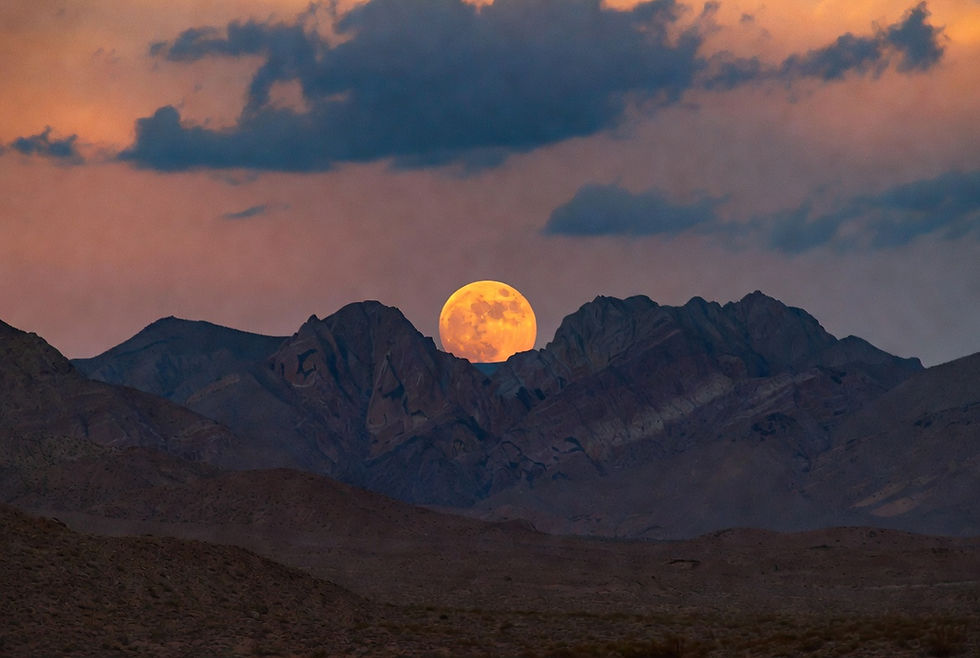
Pro tip for maximum impact: Step outside 15–30 minutes after local moonrise. The moon will sit low on the southeastern horizon, appearing dramatically large due to the well-known Moon Illusion (your brain compares it to foreground objects like trees or buildings). It often takes on a warm yellow-orange hue from atmospheric scattering as its light travels through more air near the horizon.
The moon will then climb higher through the night, embedded near the stars of Sagittarius. Bright nearby objects include Antares (the red heart of Scorpius) and the Summer Triangle asterism (Vega, Deneb, and Altair). Planets such as Jupiter and Venus may also be visible near the western horizon at sunset on June 29, adding to the spectacle.
Why Is It Called the “Strawberry Moon”?
The name has nothing to do with the moon’s color or shape. It originates from Native American Algonquian tribes (and other groups such as the Ojibwe, Dakota, and Lakota) who used it to mark the short season when wild strawberries ripen and become ready for harvest in June.
Other cultural names for June’s full moon include:
Green Corn Moon (Cherokee)
Berries Ripen Moon (Haida)
Mead Moon or Honey Moon (European/Anglo-Saxon traditions, referencing meadow mowing or early summer abundance)
This seasonal naming tradition helped Indigenous peoples track the agricultural and natural calendar long before modern months were adopted.
What Makes the 2026 Strawberry Moon Special?
Because it occurs shortly after the summer solstice (June 21, 2026), June’s full moon follows the lowest path across the sky of any full moon during the year. This creates an especially striking low-horizon appearance and enhances the Moon Illusion effect.
It is not a supermoon in 2026 (the next supermoon is in December). The moon will appear its normal size at distance, though the low angle makes it look larger and more dramatic to observers on Earth.Clear skies are expected in many regions, though local weather will determine visibility. The event coincides with the Buddhist festival of Poson Poya in Sri Lanka on June 29, adding cultural significance for some observers.
How to See and Photograph the Strawberry Moon
Naked eye: Best from any location with a clear southeastern view shortly after sunset.
Binoculars or telescope: Reveal lunar maria (dark plains) and bright ray craters once the moon climbs higher.
Photography: Use a tripod and timer. A wide-angle lens (12–50 mm) captures landscape context; longer telephoto (400 mm+) shows surface details. Shoot during the “golden hour” near moonrise for the warmest colors.
Smartphone apps like Stellarium or SkySafari can pinpoint exact moonrise direction and timing for your location.
Latest Updates (as of June 27, 2026)
Major outlets including Space.com, The Old Farmer’s Almanac, Forbes, and The Washington Post have published detailed viewing guides in the past 48 hours. Social media is already buzzing with photos of the nearly full moon visible tonight and tomorrow evening, with users sharing dramatic shots alongside landscapes, cities, and even pets.
No unusual astronomical phenomena are expected beyond the standard beautiful low-path rise. Conditions look favorable for much of North America and Europe on Monday evening.Mark your calendar: Step outside Monday night around sunset, look southeast, and enjoy one of nature’s most reliable and spectacular free shows.
Strawberry Moon 2026 Quick Facts
Peak: June 29, 2026, ~7:57 p.m. EDT
Best viewing: Shortly after local moonrise (southeastern horizon)
Origin: Native American harvest of wild strawberries
Unique feature: Lowest full-moon path of the year → dramatic size illusion
Strawberry Moon 2026: Exact Date, Time & Best Viewing Tips for June Full Moon | 17GEN4 News
Strawberry Moon 2026 peaks Monday, June 29 at 7:57 p.m. EDT. Get exact moonrise times, how to see the low-horizon full moon, Native American origins, viewing tips, and latest updates. Don’t miss June’s stunning summer moon — full details from 17GEN4 News.
17GEN4 News


Comments